Short answer: attic insulation rebates in BC can help reduce the cost of an attic top-up, but the rebate is not automatic. The programme, utility path, contractor status, R-value added, invoice details, and application deadline all matter. Before you plan a project around rebate money, confirm the current rules with the official programme.
That warning matters because rebate pages are easy to misunderstand. Better Homes BC, CleanBC, BC Hydro, and FortisBC are connected in different ways. Some pages explain standard rebates. Some pages explain income-qualified programmes. Some contractor pages still mention older federal grants that are closed.
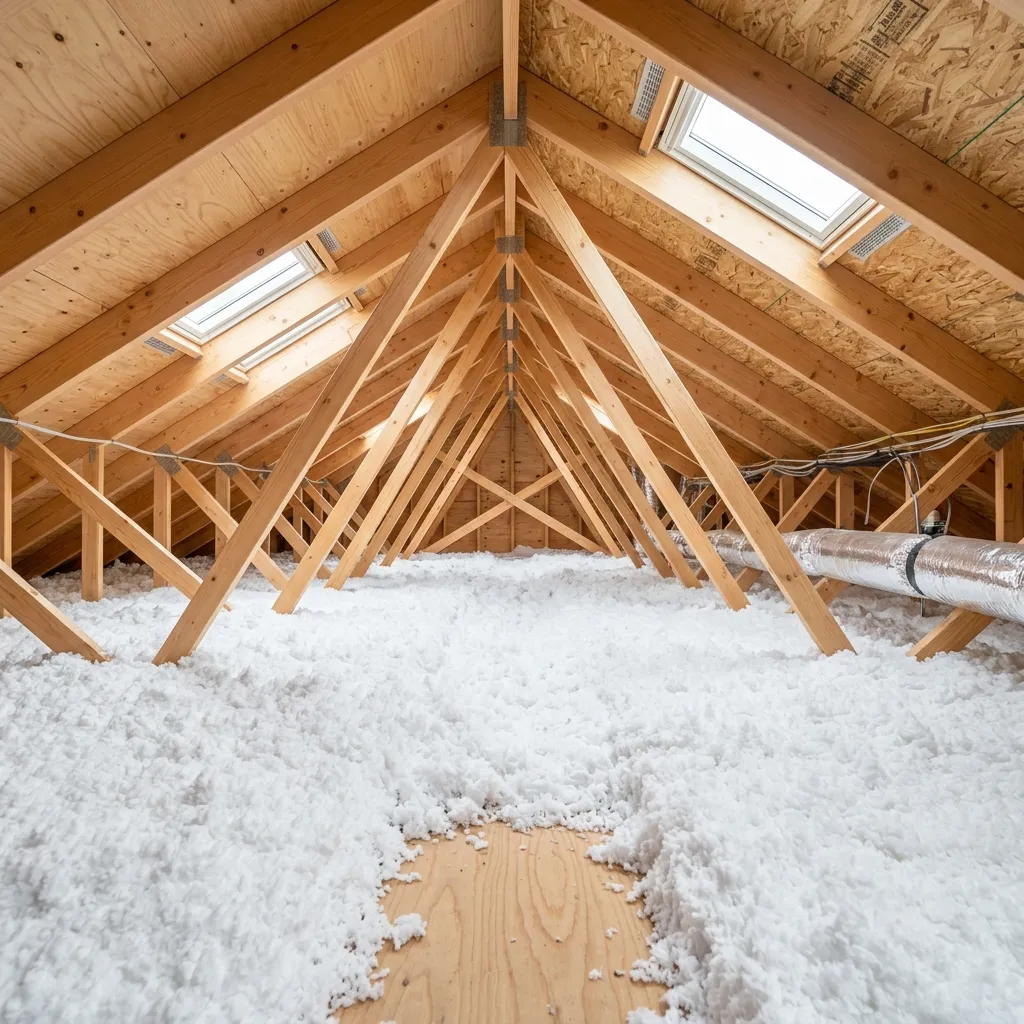
At Khaira Insulation, Dawinder Singh Khaira uses the same rule for rebate-related attic work that he uses for quoting: the site has to be checked properly first. Attic blown-in insulation is not just a bag count. Existing insulation, air leaks, baffles, ventilation, moisture, pests, and documentation can all affect what should happen next.
Quotable answer
In BC, standard attic insulation rebates may be calculated as $0.02 x R-value added x square feet, up to a $900 attic maximum, with at least R12 of new insulation added. Income-qualified paths can be higher, but they have different approval and contractor rules. Always check the current official programme before relying on rebate money.
Which BC attic insulation rebates are available right now?
The main rebate paths homeowners should understand are the standard Home Renovation Rebate Program, the CleanBC Better Homes Energy Savings Program, FortisBC income-qualified insulation rebates, and the Energy Conservation Assistance Program. These are not all separate piles of money that stack freely on the same attic job.
The standard Home Renovation Rebate Program is presented through the Better Homes BC / CleanBC ecosystem and utility channels such as BC Hydro and FortisBC. For insulation, the consumer-facing BC Hydro page lists eligible insulation areas, product types, the rebate formula, contractor requirements, and document requirements. You can review the current BC Hydro insulation rebate page here: BC Hydro insulation rebates.
FortisBC has its own insulation rebate page for customers who fit its utility requirements. It uses the same attic formula for the standard attic path: FortisBC insulation rebates.
For income-qualified households, the CleanBC Better Homes Energy Savings Program can provide larger support, but it is a different process. Better Homes BC says homeowners must pre-register, receive an eligibility code, and use a registered contractor approved for the programme. See the current programme overview here: CleanBC Better Homes Energy Savings Program.
BC Hydro and FortisBC also list the Energy Conservation Assistance Program, which may provide free insulation measures for qualifying households after an evaluation. This is different from a fixed dollar-per-square-foot rebate. See BC Hydro's explanation here: Energy Conservation Assistance Program.
How much is the attic insulation rebate in BC?
The standard attic rebate is usually the number homeowners ask about first. Current utility pages list attic insulation under "attic - flat and cathedral ceiling" and show the rebate as a formula based on the R-value added and the square footage insulated.
| Programme path | Attic rebate amount | Maximum | Basic attic rule | Contractor rule |
|---|---|---|---|---|
| Standard Home Renovation Rebate Program | $0.02 x R-value added x sq. ft. | Up to $900 for attic | Minimum R12 added | HPCN member required |
| CleanBC Better Homes Energy Savings Program | Income Level 1: $0.05 x R-value added x sq. ft. Income Level 2: $0.04 x R-value added x sq. ft. | Up to $2,000 for attic | Minimum R12 added | Registered contractor approved for insulation |
| FortisBC income-qualified insulation rebate | $0.05 x R-value added x sq. ft. | Up to $2,000 for attic | Minimum R12 added | HPCN member required |
| Energy Conservation Assistance Program | No fixed public attic formula on the homeowner page | Programme-assessed free measures | Home evaluation decides measures | Programme-arranged process |
The standard programme can also have wider insulation caps when more than one insulation area is upgraded, but a homeowner should not assume every cap applies to one attic. The exact amount depends on the eligible area, R-value added, square footage, and current programme terms.
Example math
If an attic top-up adds R20 over 800 square feet under the standard formula, the rough rebate math would be 20 x 800 x $0.02 = $320. That is a planning example only. The official programme rules, eligible contractor status, invoice details, and home eligibility decide the actual result.
Do attic top-ups qualify for rebates?
Attic top-ups can qualify when the official programme rules are met. The key idea is "R-value added." If the programme says at least R12 must be added, it is looking at the improvement, not only the final number printed on a bag of insulation.
This is where many homeowners get confused. A best-practice attic target such as R40, R50, or R60 is not the same thing as the rebate trigger. BC Housing retrofit guidance discusses attic retrofit targets in the R40 to R60 range, but current rebate pages for attic insulation focus on minimum R-value added and programme-specific formulas. See the BC Housing weatherization and draftproofing manual hosted by BC Hydro here: BC Housing weatherization guidance.
If old insulation is removed, the rebate may be calculated on the difference between the old insulation level and the new insulation level. That is why measuring and documenting the attic before work matters. If the attic is wet, rodent-damaged, or contaminated, read about attic insulation removal before planning a top-up. A contractor cannot see that clearly from a phone description alone.
"I don't give the final quote until I see the site properly." - Dawinder Singh Khaira
Do you need an HPCN or CleanBC registered contractor?
For the standard insulation rebate path, current BC Hydro and FortisBC information says insulation work must be completed by a Home Performance Contractor Network member. Self-installation is not eligible on the reviewed standard rebate paths. The Home Performance Stakeholder Council explains the contractor network here: Home Performance Contractor Network.
The CleanBC Better Homes Energy Savings Program uses different wording. For insulation under that programme, the work must be purchased, supplied, and installed by a registered contractor approved to install insulation for the programme. The contractor submits the rebate documentation and the rebate is deducted through that process.
Here is the important Khaira-specific caution: Khaira can inspect your attic and provide an on-site insulation quote, but rebate approval depends on the current programme rules. If your project depends on rebate money, confirm contractor eligibility with the official programme before work starts. Do not assume any contractor qualifies unless the programme confirms it.
What documents and invoice details do you need?
Most failed rebate planning comes from boring details, not from the insulation itself. Homeowners often think the quote is the hard part. In reality, the invoice and application details can decide whether the rebate is accepted.
Invoice and paperwork checklist
- Homeowner name and installation address.
- Contractor name, contact details, and required registration status where applicable.
- Installation date and paid invoice date.
- Insulation location, such as attic or cathedral ceiling.
- Insulation type, such as batt, loose fill, board, or spray foam.
- Square footage installed.
- R-value before, R-value added, and final R-value where required.
- Itemized rebate deduction if the programme requires the contractor to show it.
- Application submitted within the programme deadline, often six months from invoice date on the reviewed pages.
The safest approach is to read the official page before work starts, not after the crew leaves. If you wait until the invoice is already issued, it may be too late to fix missing details.
Free download: BC Attic Insulation Rebate Planning Checklist - use it before comparing attic insulation quotes or planning around rebate money.
What can make an attic insulation rebate fail?
A rebate can fail even when the attic work itself is useful. The most common risk is assuming eligibility before checking the programme. The second risk is assuming any contractor can do the work. The third risk is treating attic insulation as a simple top-up without checking the condition of the attic first.
| Risk | Why it matters | What to do before work starts |
|---|---|---|
| Wrong contractor status | Some rebate paths require HPCN or programme-approved registered contractors. | Confirm the current contractor requirement with the official programme. |
| DIY installation | Self-installation is not eligible on the reviewed rebate paths. | Do not rely on a rebate for DIY attic work unless the official programme says it qualifies. |
| Missing invoice details | The application may need R-value, area, insulation type, paid date, and contractor details. | Ask what the invoice must show before approving the work. |
| Late application | Many pages use a six-month invoice deadline for applications. | Set the deadline before the project starts. |
| Attic condition problems | Moisture, mould, pests, vermiculite, or blocked ventilation can change the right scope. | Have the attic inspected before topping up insulation. |
This is why Khaira's site-visit-first approach matters. Dawinder learned early in the business that a phone description can miss the real condition of an older house. For attic rebates, that same lesson applies: a homeowner needs the right facts before committing.
What should be checked before adding attic insulation?
More insulation is not always the first move. BC Housing's retrofit guidance says attic moisture and mould are often connected to indoor air leakage and poor ventilation. It also warns that soffit ventilation paths should stay open and that baffles or guards may be needed to keep insulation from blocking airflow.
Before adding blown-in attic insulation, a contractor should be thinking about:
- Air leaks from the living space into the attic.
- Soffit baffles and ventilation paths.
- Moisture staining, mould, or roof leaks.
- Pest or rodent contamination.
- Old compressed or uneven insulation.
- Non-IC-rated fixtures, chimneys, and other safety clearances.
- Whether the attic should be topped up or whether old insulation should be removed first.
Khaira Insulation's attic work is built around this practical idea: "Insulation only works when the small details are done right." That means the attic should be looked at as a system, not just a place to blow in more material.
Which federal programmes are closed or not attic-specific?
Homeowners still ask about federal grants because many older pages and videos mention them. This guide was written on June 25, 2026, and Natural Resources Canada lists the Canada Greener Homes Grant as closed and the Canada Greener Homes Loan as closed to new approvals. You can check the current federal status here: Canada Greener Homes Initiative.
The Oil to Heat Pump Affordability programme may still matter for some homes, but it is a heat-pump programme, not a simple attic insulation rebate. That distinction matters because homeowners sometimes combine all energy-efficiency grants into one mental bucket. For attic insulation, use the current BC programme pages as the source of truth.
Frequently asked questions about attic insulation rebates in BC
How much is the BC attic insulation rebate?
The standard attic insulation rebate can be calculated as $0.02 x R-value added x square feet, up to a $900 attic maximum, when programme rules are met. Income-qualified paths can offer higher support, such as up to $2,000 for attic insulation under certain programmes. Always check the current official page before assuming the amount applies to your home.
Do I need an HPCN contractor for attic insulation rebates?
For the standard insulation rebate paths reviewed, BC Hydro and FortisBC information says insulation work must be done by a Home Performance Contractor Network member. The CleanBC Better Homes Energy Savings Program uses its own approved registered contractor requirement. Contractor status should be checked before the work starts.
Can I get a rebate if the attic insulation is already installed?
It depends on the programme, deadline, invoice details, and contractor status. Some rebate paths require application within a set period after the invoice date, often six months on the reviewed pages. If the work was done by the wrong contractor type or the invoice is missing required details, the rebate may not be available.
Does DIY attic insulation qualify for BC rebates?
Self-installation is not eligible on the standard and income-qualified rebate paths reviewed for this article. Even if the material is eligible, the installation process and contractor status can still decide rebate eligibility. Check the official programme before buying material for a DIY rebate plan.
Do attic insulation top-ups qualify?
Attic top-ups can qualify when the work meets the programme rules. The current attic formulas are based on R-value added and square footage, with a minimum R-value addition. Existing insulation should be measured and documented because it can affect the rebate calculation.
Can I combine CleanBC, BC Hydro, and FortisBC rebates?
Do not assume these are separate stackable rebates for the same attic job. Better Homes BC and CleanBC often act as the provincial information and programme ecosystem, while BC Hydro and FortisBC provide utility-specific application routes. Read the official terms for the path that applies to your home.
What R-value do I need for an attic insulation rebate?
The reviewed attic rebate paths generally use a minimum R-value added rule, such as R12 added for attic insulation, rather than one universal final R-value target. Best-practice attic retrofit targets can be higher, often discussed around R40 to R60 depending on the assembly and guidance. Do not confuse rebate eligibility with ideal final attic performance.
Can Khaira Insulation guarantee my rebate?
No. Khaira can inspect your attic and provide an on-site insulation quote, but rebate eligibility depends on the official programme, your home, contractor-status rules, invoice details, and deadlines. Confirm contractor eligibility directly with the programme before relying on rebate money.

Written by
Dawinder Singh Khaira
Dawinder Singh Khaira is the owner of Khaira Insulation Ltd. in Abbotsford, BC. He has worked hands-on in insulation since 2015 and leads a 10-person crew serving residential and commercial projects across Abbotsford and nearby communities.
Planning attic insulation around a rebate?
Start with the attic, not the rebate headline. A good attic insulation quote should look at existing insulation depth, air leaks, ventilation, baffles, moisture, old material, and the documentation you may need if you are applying for a rebate.
Khaira Insulation Ltd. provides free on-site attic insulation quotes across Abbotsford and nearby BC communities. If you want to pursue a rebate, confirm the current programme rules and contractor eligibility before relying on rebate money. You can also compare the material side of the project on the fibreglass insulation page.
Request a free on-site attic quote
Khaira Insulation Ltd. serves Abbotsford, Surrey, Mission, Langley, Chilliwack, Delta, Maple Ridge, Aldergrove, Vancouver, Kelowna, and Kamloops with attic blown-in, fibreglass, spray foam, sprinkler box, and commercial fire stop insulation.
Phone: 778-536-1713
Hours: Monday to Saturday, 7:00 AM to 6:00 PM
Website: khairainsulation.com